.svg)
What Is a Digital Family Legacy?


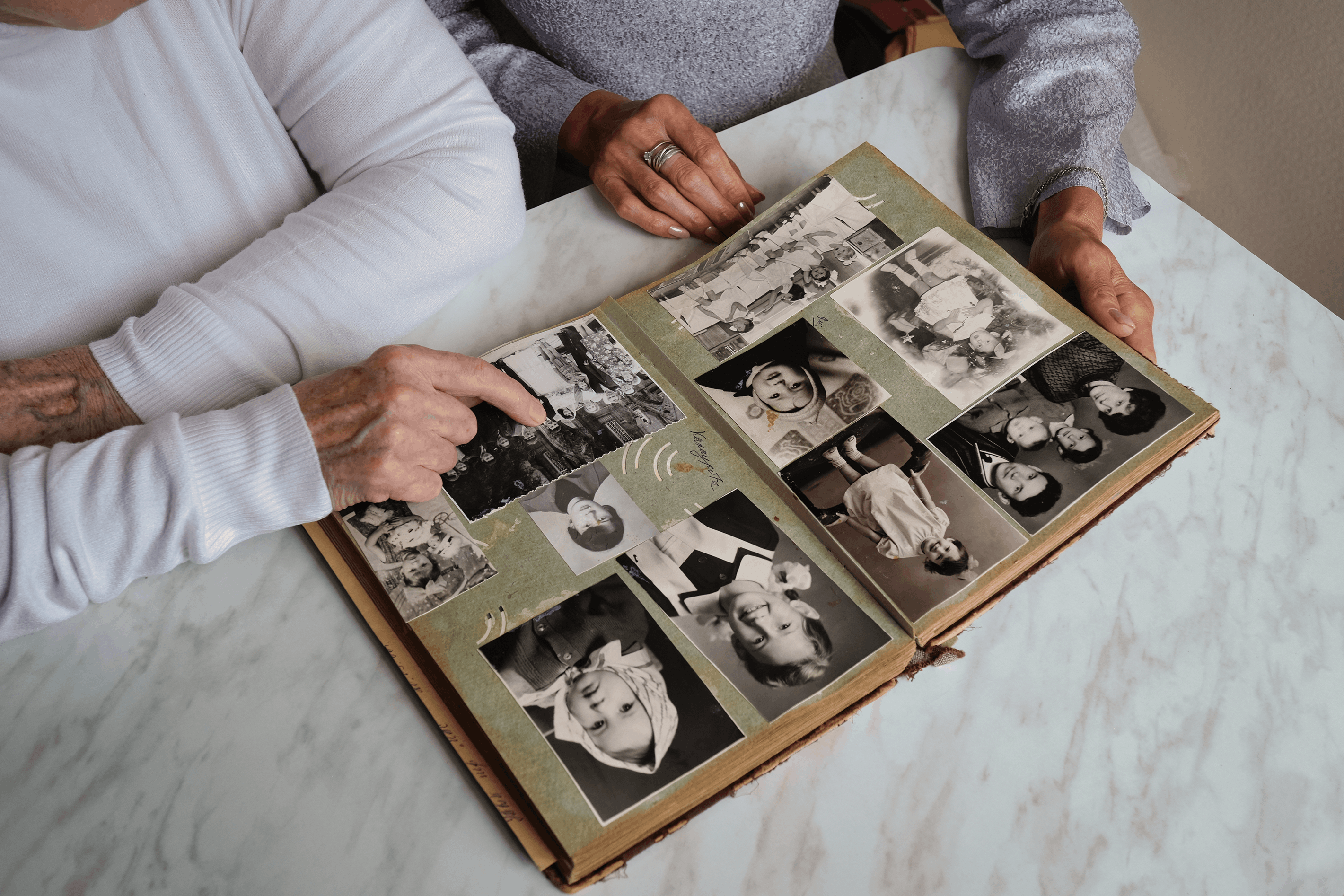
For most of human history, family stories were passed down through conversations, photo albums, letters, and shared memories.
Today, we capture more photos and videos than ever before, yet many of the stories, lessons, and experiences behind those moments are still at risk of being lost.
The challenge isn't creating memories, it's making sure they aren't forgotten.
That's where the idea of a digital family legacy becomes increasingly important.
What Is a Digital Family Legacy?
A digital family legacy is the intentional preservation of your family's stories, memories, photos, videos, voice recordings, values, and life experiences so they can be shared across generations.
Unlike traditional photo storage or social media timelines, a digital family legacy is intentionally designed to preserve not only moments, but also the meaning behind them.
It can include:
- Photos and videos
- Voice recordings
- Memories and life experiences
- Family stories and reflections
- Family recipes and traditions
- Life lessons and advice
- Important family documents
- Family history and heritage
- Tributes that honour loved ones
Why Digital Family Legacy Matters More Than Ever
Photos preserve moments.
Stories preserve people.
A photograph may show what someone looked like, but it rarely captures their voice, humour, values, life lessons, or the experiences that shaped them.
Many families assume there will always be time to ask questions, record memories, or document family history. Unfortunately, those opportunities often disappear more quickly than expected.
Modern life also presents new challenges:
- Families are often spread across different cities and countries
- Physical photo albums are becoming less common
- Memories are scattered across phones, computers, and cloud storage
- Social media captures highlights, not full life stories
- Important family history is often never documented
As a result, more families are searching for meaningful ways to preserve family stories, record life experiences, and create a lasting archive that future generations can learn from and enjoy.
The Difference Between a Photo Archive and a Digital Family Legacy
Many people already store thousands of photos online.
A digital family legacy goes much deeper than storage alone.
A digital family legacy is less about collecting content and more about preserving identity, connection, and shared history.
What Families Can Preserve
A digital family legacy can become a place to capture the stories and experiences that matter most.
Recording Parents’ and Grandparents’ Stories
Many families are recording conversations and life reflections from parents and grandparents so future generations can hear their stories in their own words.
These conversations often include:
- Childhood memories
- Family history
- Career experiences
- Marriage and parenting lessons
- Personal advice and life wisdom
Creating Modern Digital Baby Books
Many parents are moving beyond traditional baby books and preserving:
- Voice recordings
- Everyday family moments
- Videos and reflections
- Messages for children to revisit later in life
- Family traditions and experiences
The goal is not simply documenting milestones, but preserving what family life actually felt like.
Honouring Loved Ones
Families are increasingly creating private spaces where relatives can contribute:
- Stories
- Photos
- Videos
- Voice messages
- Recipes
- Shared memories
These collections become meaningful ways to celebrate a life and help future generations stay connected to loved ones they may never have had the chance to know.
Preserving Family Values and Wisdom
Some of the most important parts of family history are not events at all.
They are the values passed from one generation to the next:
- Resilience
- Kindness
- Humour
- Faith
- Work ethic
- Traditions
- Family sayings
- Life lessons
These often become some of the most meaningful pieces of a family's legacy.
Why People Regret Waiting
One of the most common regrets people express after losing a loved one is wishing they had asked more questions.
People often wish they had taken more time to ask questions, record stories, and preserve memories while they still had the opportunity. ADD
Many assume there will always be another opportunity.
Often, there isn't.
A digital family legacy is not about living in the past. It is about recognizing the value of the present while the people and stories we care about are still here.

Why Social Media Is Not Enough
Social media plays a role in sharing memories, but it was never designed to function as a long-term family archive.
Most social platforms are:
- Public by default
- Algorithm-driven
- Difficult to organize meaningfully
- Focused on engagement rather than preservation
A digital family legacy serves a different purpose.
It is:
- Private
- Intentional
- Family-centred
- Organized around stories and relationships
- Designed for long-term preservation
Many families are looking for spaces where memories can exist without distraction, pressure, or public visibility.
How to Start Creating a Digital Family Legacy
Creating a digital family legacy often begins with a single memory.
A photo, a story, a voice recording, a family recipe, or a piece of advice can all become part of something future generations will treasure.
You don't need to start with everything. You simply need to start.
Every Life Lived Is a Story Worth Preserving
Many of the moments that shape a family do not seem extraordinary at the time.
A conversation at dinner.
A story shared on vacation.
A parent's advice.
A grandparent's laugh.
A child's voice during an ordinary day.
Over time, these often become the memories families treasure most.
A digital family legacy helps ensure those moments, stories, and connections are not lost as generations move forward.
Because preserving family history isn't only about remembering the past. It's about helping future generations stay connected to the people, experiences, and stories that shaped who they are.

.avif)
Start Your Story Today
Join thousands of families preserving their most precious memories
.avif)